Short Form Video Marketing: Why It Dominates Social Media

Short Form Video Marketing: Why It Dominates Social Media

Short form video marketing has become one of the strongest ways for businesses to earn attention on social media. From Instagram Reels and TikTok to YouTube Shorts and Facebook Reels, short videos are now a major part of how people discover brands, learn about services, and decide which businesses feel worth contacting.

For small and medium-sized businesses, this shift matters. Social media is crowded, attention moves quickly, and customers often form opinions long before they visit a website or make a phone call. A short video can introduce your team, explain a service, show your work, answer a customer question, or make your business feel more familiar in less than a minute.

That does not mean every business needs to become an entertainment channel. It means businesses need to understand how short video fits into a practical marketing strategy.

What Is Short Form Video Marketing?

Short form video marketing is the use of brief videos to promote a business, educate an audience, build trust, or increase visibility across digital platforms. These videos are usually under 60 seconds, although the exact length can vary by platform.

Common examples include Instagram Reels, TikTok videos, YouTube Shorts, Facebook Reels, and short clips used in paid social advertising. The format works because it meets people where they already spend time and delivers information quickly.

For a local business, short video might mean a 20-second before-and-after project clip, a quick explanation of a common customer question, a behind-the-scenes look at your team, or a service spotlight that shows what makes your company different.

The best short videos usually feel useful, clear, and specific. They do not need to feel overly produced. They do need to give people a reason to stop scrolling.

Why Short Form Video Marketing Dominates Social Media

Short form video marketing dominates social media because it fits the way people consume content now. Users want quick answers, visual proof, personality, and useful information without having to dig for it.

Social platforms have also built their algorithms around video discovery. Reels, Shorts, and TikTok videos can reach people who do not already follow your business, which gives small businesses an opportunity to get in front of new audiences without relying only on existing followers.

Recent marketing research continues to show why businesses are investing in the format. HubSpot’s 2026 marketing statistics report lists short-form video as one of the top ROI-driving content formats, while Sprout Social reports that social video remains one of the most popular video marketing types in 2026 (HubSpot, Sprout Social).

For business owners, the important point is not just that short video is popular. The real value is that short video can turn everyday business knowledge into content that customers actually want to watch.

Short Video Helps Businesses Build Trust Faster

Trust is one of the biggest reasons short form video works for local businesses. A static post can tell people what you do, but video can show how you work, who is involved, and what the customer experience looks like.

A contractor can show the difference between a quick patch and a proper repair. A salon can show the process behind a finished look. A restaurant can show prep, plating, or the atmosphere inside the dining room. A professional service company can answer a common question in a way that makes the team feel knowledgeable and approachable.

These small moments help customers feel more comfortable before they reach out. That familiarity can matter just as much as the information itself.

For businesses in Lynchburg and across Central Virginia, this is especially important. Local customers often want to know that a business is active, credible, and part of the community. Short video gives companies a way to show that consistently.

Short Form Video Supports More Than Social Media

One of the biggest advantages of short video is that it can support multiple parts of a digital marketing strategy.

A single video can become an Instagram Reel, a Facebook Reel, a TikTok post, a YouTube Short, a website embed, an email feature, or part of a paid ad campaign. The same concept can also inspire blog content, FAQ answers, service page updates, and future social posts.

This is why short video should not be treated as a random trend. It works best when it connects to the larger marketing system.

For example, if customers frequently ask how much a service costs, a short video answering that question can support social media engagement while also reinforcing a broader content strategy. If a company is trying to rank locally for a specific service, videos that explain that service can strengthen brand visibility across several channels.

At TinyBull Marketing, social media strategy often connects with SEO, reputation management, website content, and video production. When those pieces work together, businesses create more opportunities for customers to find them and trust them.

What Makes a Good Short Form Video?

A good short video usually starts with a clear purpose. Before filming, the business should know what the viewer is supposed to learn, feel, or do after watching.

Some videos are designed to educate. Others are meant to show proof of work, introduce a team member, promote a seasonal service, or highlight a customer experience. The best videos do not try to do everything at once.

Strong short-form videos often include a clear opening, simple visuals, readable on-screen text, and a direct takeaway. The pacing should feel natural, but not slow. The message should be specific enough that someone understands why it matters.

For small businesses, useful video ideas often come from everyday operations. Customer questions, project photos, product demonstrations, team moments, common mistakes, quick tips, and service explanations can all become strong short-form content.

The challenge is consistency. One good video can help, but a steady rhythm of content builds recognition over time.

How Small Businesses Can Use Short Video Strategically

Short video works best when it is planned around business goals rather than posted at random. A business that wants more service calls may need educational videos that explain common problems. A retail shop may need product videos and seasonal content. A professional service firm may benefit from expert commentary, client questions, and credibility-building posts.

Platform choice also matters. Instagram and Facebook Reels can help businesses stay visible with local audiences. TikTok can support broader discovery when the content has a strong hook or educational angle. YouTube Shorts can be useful because video content may continue gaining visibility over time through search and recommendations.

Businesses do not need to master every platform at once. A practical strategy may begin with one or two channels, then expand once the team has a reliable process for planning, filming, editing, and posting.

That is where support from an experienced marketing partner can make a difference. TinyBull helps businesses build content strategies that match their audience, brand voice, and growth goals. From social media planning to professional video production, the goal is to create content that looks good, feels authentic, and supports the larger marketing picture.

You can learn more about TinyBull’s approach to social content through our social media marketing services, explore video-related insights in the video production resources, or compare available social media management plans to find the level of support that fits your business.

Frequently Asked Questions

What is short form video marketing?

Short form video marketing uses brief videos, usually under 60 seconds, to promote a business, educate customers, build brand awareness, or increase engagement on platforms like Instagram, TikTok, YouTube Shorts, and Facebook.

Why is short form video so effective?

Short videos work well because they are easy to watch, quick to understand, and favored by many social media platforms. They also help businesses show personality, expertise, and visual proof in a format people already enjoy consuming.

Do small businesses need professional video production?

Not every short video needs full professional production, but strategy and quality still matter. A mix of polished videos, authentic behind-the-scenes clips, and educational content can help small businesses stay consistent while building trust.

Which platforms are best for short form video marketing?

Instagram Reels, TikTok, YouTube Shorts, and Facebook Reels are all strong options. The best platform depends on the business, audience, content style, and marketing goals.


Best Social Media Platforms for Local Businesses in 2026

Best Social Media Platforms for Local Businesses in 2026

Choosing the best social media platforms for local businesses in 2026 is less about chasing the newest app and more about understanding where your customers are paying attention, asking questions, and making buying decisions.

For many small businesses, social media is one of the most visible parts of their marketing. It is where potential customers see your work, read your updates, watch your videos, check your credibility, and decide whether your business feels trustworthy enough to contact.

The challenge is that not every platform serves the same purpose. Facebook, Instagram, TikTok, LinkedIn, and YouTube can all support business growth, but they do it in different ways. A local HVAC company, boutique, restaurant, law firm, and B2B service provider should not all use the exact same social media strategy.

For local businesses in Lynchburg and throughout Central Virginia, the smartest approach is usually not to post everywhere equally. It is to choose the platforms that match your audience, your content style, and your business goals.

Why Platform Choice Matters for Local Businesses

Social media can look simple from the outside. Post a few updates, add some photos, share a promotion, and hope people respond. In reality, effective social media marketing for small businesses requires more strategy than that.

Each platform has its own audience expectations. Facebook users often look for community updates, recommendations, events, and local business information. Instagram users respond well to visual storytelling and brand personality. TikTok favors quick, useful, entertaining, or highly specific content. LinkedIn supports professional credibility, recruiting, and B2B relationships. YouTube gives businesses a place to build deeper trust through video content that can keep working long after it is posted.

Recent social media trend reports continue to show the importance of video, authenticity, community, and platform-specific content. Sprout Social’s 2026 social media trends report highlights the continued strength of video and audience-focused content, while HubSpot’s 2026 marketing statistics report notes that short-form video remains one of the most widely used formats among marketers (Sprout Social, HubSpot).

The takeaway for local businesses is simple: the platform matters, but the strategy behind the platform matters more.

Best Social Media Platforms for Local Businesses in 2026

The best social media platforms for local businesses are usually the ones that help customers build trust before they ever pick up the phone. For most local businesses, that means choosing a mix of community visibility, visual credibility, and search-friendly video content.

Facebook remains one of the most useful platforms for local businesses because it still plays a major role in community discovery. People use Facebook to ask for recommendations, follow local events, check business pages, and engage with companies they already know. For service businesses, restaurants, local retailers, nonprofits, and community-focused brands, Facebook can still support visibility and customer relationships.

Instagram is especially useful for businesses that benefit from strong visuals. Restaurants, salons, boutiques, fitness studios, home service companies, real estate professionals, and creative brands can use Instagram to show their work in a way that feels immediate and polished. Reels, Stories, carousels, and behind-the-scenes content can help a local business feel active and approachable.

TikTok can be powerful when a business has the ability to educate, entertain, or show personality. It is not the right fit for every company, but it can work well for businesses that can explain common customer questions, demonstrate services, show before-and-after results, or create helpful short videos. The platform rewards content that feels specific and human, which can actually give small businesses an advantage over brands that feel overly scripted.

LinkedIn is often overlooked by local businesses, but it can be valuable for professional services, B2B companies, consultants, contractors, manufacturers, recruiting efforts, and leadership-driven brands. A local company does not need to go viral on LinkedIn to benefit from it. Consistent posts that highlight expertise, company culture, projects, hiring, partnerships, and community involvement can strengthen credibility.

YouTube, including YouTube Shorts, is becoming harder to ignore. Short-form videos can help with discovery, while longer videos can answer customer questions in depth. A business that creates useful videos about its services can use that content across multiple channels, including social media, website pages, email campaigns, and blog posts.

Facebook for Local Community Reach

Facebook is still one of the most practical platforms for local businesses because it connects naturally with community behavior. Customers often use it to check business hours, browse recent updates, ask neighbors for referrals, or see whether a company appears active.

For local businesses, Facebook works best when the content feels connected to the community. Project photos, team updates, seasonal reminders, customer education, event posts, and service announcements can all perform well when they are relevant and timely.

The mistake many businesses make is treating Facebook like a bulletin board for promotions only. A stronger approach is to use it as a trust-building channel. Show that your business is active, responsive, and part of the local community.

Instagram for Visual Trust and Brand Personality

Instagram is a strong choice for businesses that can communicate value visually. A finished project, a clean workspace, a happy team, a product display, or a quick educational Reel can say a lot before someone reads a caption.

For small businesses, Instagram also helps humanize the brand. Customers want to know who they are hiring, visiting, or buying from. Consistent visuals, recognizable branding, and helpful captions make a business feel more familiar over time.

This is where professional social media management can make a major difference. A thoughtful content calendar keeps posts consistent while making sure each graphic, caption, and video supports the larger brand strategy. You can learn more about how TinyBull approaches this through its social media marketing services.

TikTok and YouTube Shorts for Discovery

Short-form video has changed how people discover businesses. A helpful 30-second video can introduce a brand to someone who was not actively searching for it yet. That discovery value is why TikTok, Instagram Reels, Facebook Reels, and YouTube Shorts all deserve attention in 2026.

For local businesses, the best short-form videos usually come from real customer questions. A pest control company might explain what attracts ants in the spring. A dentist might answer whether whitening hurts. A contractor might show what poor drainage looks like around a foundation. A marketing agency might explain why a business is not showing up in local search.

Good short-form content does not have to be overly polished. It does need to be clear, useful, and consistent with the brand.

LinkedIn for Professional Visibility

LinkedIn is especially helpful for businesses that sell to other businesses, recruit employees, or rely on professional credibility. It gives companies a place to share expertise without competing directly with entertainment-heavy content.

A local accounting firm, commercial contractor, staffing agency, consulting firm, or marketing company can use LinkedIn to build trust with decision-makers. Posts about company values, completed work, industry insights, employee milestones, and community involvement can help the business stay visible with the right audience.

LinkedIn may not generate the same type of engagement as Facebook or Instagram, but it can support reputation, recruiting, partnerships, and referral relationships.

How to Choose the Right Social Media Platforms

The right social media mix depends on your business model. A local restaurant may prioritize Facebook, Instagram, and short-form video. A professional service company may focus on LinkedIn, Facebook, and educational video. A home service business may benefit from Facebook, Instagram, YouTube Shorts, and Google Business Profile content working together.

The most important question is not “Which platform is popular?” It is “Where can we consistently show up in a way that helps customers trust us?”

That is why many businesses benefit from working with a marketing partner that understands both content creation and strategy. At TinyBull Marketing, social media is often connected with SEO, video production, reputation management, and broader brand visibility. The strongest results usually come when these channels work together instead of operating separately.

If your business is ready for a more consistent social media presence, TinyBull’s social media management plans make it easy to compare available options and choose the level of support that fits your goals.

Frequently Asked Questions

What are the best social media platforms for local businesses?

The best platforms depend on the business, but Facebook, Instagram, LinkedIn, TikTok, and YouTube are often the most useful options. Local businesses should choose platforms based on audience behavior, content style, and business goals.

Should a local business post on every social media platform?

Most local businesses do not need to post everywhere. It is usually better to maintain a strong, consistent presence on two or three platforms than to spread content too thin across every channel.

Is Facebook still useful for local businesses in 2026?

Yes. Facebook remains useful for local visibility, community engagement, recommendations, events, and business updates. It is especially valuable for businesses that serve a specific geographic area.

How often should local businesses post on social media?

Posting frequency depends on the platform and available content, but consistency matters more than volume. Many small businesses benefit from a steady weekly schedule that includes educational posts, service updates, visual content, and occasional promotions.

Mobile SEO Optimization: Why Mobile-Friendly Websites Rank Better

Mobile SEO Optimization: Why Mobile-Friendly Websites Rank Better

Mobile SEO optimization has become one of the most important parts of modern search visibility for small businesses. A website that works perfectly on desktop but performs poorly on phones can quietly lose rankings, traffic, and leads without the business owner fully realizing why.

Most local searches now happen on mobile devices. Whether someone is searching for a restaurant, contractor, law office, or marketing agency, there is a good chance they are doing it from their phone while on the move. Google understands this behavior, which is why mobile usability directly affects how websites rank in search results.

For businesses across Lynchburg and Central Virginia, mobile performance is no longer just a design consideration. It is part of the foundation of local SEO.

What Is Mobile SEO Optimization?

Mobile SEO optimization refers to improving a website so it performs well on smartphones and tablets while also meeting Google’s expectations for usability and search quality.

This includes responsive design, fast page speed, readable text, properly sized buttons, and layouts that adapt cleanly to smaller screens. It also involves technical SEO factors that affect how Google crawls and evaluates mobile content.

Google officially shifted to mobile-first indexing several years ago, meaning the mobile version of your website is now the primary version Google uses to determine rankings. According to Google’s search documentation, mobile usability directly affects how pages are indexed and evaluated in search results (Google mobile-first indexing documentation).

In practical terms, if your mobile experience is weak, your rankings can suffer even if your desktop site looks excellent.

Why Mobile-Friendly Websites Rank Better

Google’s goal is simple: provide users with search results that create a good experience. Since most searches now happen on mobile devices, Google prioritizes websites that work well on phones.

When visitors land on a site that loads slowly, forces awkward zooming, or makes navigation frustrating, they often leave quickly. That behavior signals to Google that the page may not be satisfying the user’s needs.

Mobile-friendly websites tend to perform better because they reduce friction. Users can navigate easily, read content comfortably, and take action quickly.

For example, a local service company with a clean mobile layout, clickable phone numbers, and fast-loading pages is more likely to convert visitors into calls and leads than a competitor with an outdated mobile experience.

Search engines notice those engagement patterns over time.

How Mobile SEO Impacts Local Businesses

Mobile SEO has an especially strong impact on local businesses because many local searches happen with immediate intent.

Someone searching for “roof repair near me” or “best marketing agency Lynchburg” is often ready to contact a business soon after searching. If your site loads slowly or becomes difficult to use on a phone, that potential customer may move directly to a competitor.

This is one reason local SEO and mobile optimization work closely together. Businesses that rank well in local search typically combine strong Google Business Profile management with websites designed to perform well on mobile devices.

At TinyBull Marketing, mobile performance is often part of broader SEO and website development strategies because user experience directly affects lead generation.

Common Mobile SEO Problems That Hurt Rankings

Many small business websites struggle with mobile SEO without realizing it. Some issues are technical, while others come from outdated design choices.

One of the most common problems is slow page speed. Large images, poorly optimized code, and excessive plugins can significantly slow mobile load times. Research from Think With Google has repeatedly shown that users are far more likely to leave websites that take too long to load.

Another issue is poor responsive design. Some websites technically function on phones but still feel difficult to use because text is too small, buttons are crowded, or layouts break awkwardly on smaller screens.

Pop-ups can also create problems on mobile devices, especially when they block content or frustrate navigation.

Even simple details matter. Clickable phone numbers, properly spaced menus, and streamlined contact forms can improve both user experience and conversion rates.

Mobile SEO Optimization Is About More Than Rankings

While rankings matter, mobile optimization also affects how customers perceive your business.

A polished mobile experience creates trust. Visitors subconsciously associate a smooth, professional website with a reliable company. On the other hand, a clunky or outdated mobile site can make even a strong business appear less credible.

This becomes especially important for businesses competing against larger brands. Local companies may not always have the biggest advertising budgets, but they can absolutely compete through a better digital experience.

That philosophy is central to how many small businesses approach modern digital marketing. Strong branding, SEO, user experience, and content strategy all reinforce each other over time.

Businesses that invest in those areas consistently tend to build stronger online visibility and more reliable lead flow.

How TinyBull Helps Businesses Improve Mobile SEO

Improving mobile SEO often requires a combination of technical fixes, design improvements, and content strategy.

TinyBull works with businesses throughout Central Virginia to create websites that perform well for both users and search engines. That includes responsive website development, local SEO optimization, page speed improvements, and ongoing content strategies designed to support long-term growth.

For businesses trying to improve online visibility, mobile optimization is no longer optional maintenance work. It is a core part of how customers experience your brand online.

You can learn more about TinyBull’s broader SEO approach in the TinyBull SEO resources or explore additional marketing insights on the TinyBull blog.

As search behavior continues shifting toward mobile devices, businesses that prioritize user experience will continue gaining an advantage in local search visibility.

Frequently Asked Questions

What is mobile SEO optimization?

Mobile SEO optimization is the process of improving a website so it performs well on smartphones and tablets while also meeting Google’s standards for mobile usability and search rankings.

Why does mobile optimization affect Google rankings?

Google uses mobile-first indexing, meaning it primarily evaluates the mobile version of a website when determining rankings. Poor mobile usability can negatively impact search visibility.

What makes a website mobile-friendly?

A mobile-friendly website loads quickly, adapts to different screen sizes, uses readable text, includes easy navigation, and allows users to interact comfortably on phones and tablets.

How can small businesses improve mobile SEO?

Small businesses can improve mobile SEO by using responsive design, optimizing page speed, improving navigation, reducing unnecessary clutter, and creating content that works well across all devices.

How Local SEO Helps Small Businesses Compete With National Brands

Competing with national brands can feel like a losing battle before it even starts. They’ve got bigger budgets, larger teams, and years of brand recognition built up across every channel imaginable. But here’s the thing: size doesn’t always win in search. Local SEO is one of the few areas of digital marketing where a well-run small business can genuinely outperform a national competitor, and it happens more often than most business owners realize.

If you’ve ever searched for a service near you and noticed that the results showing up aren’t the massive national chains but smaller, local businesses, that’s local SEO doing its job. Google’s goal is to surface the most relevant result for any given search, and for searches with local intent, relevance almost always means proximity and community trust. That’s an advantage that no national brand can buy its way out of.

Why National Brands Struggle With Local Search

National brands are optimized to rank broadly. Their SEO strategies are built around high-volume national keywords, which means they’re often too generalized to dominate hyper-local searches. A corporate roofing franchise ranking nationally for “roof repair” isn’t necessarily going to beat a local roofing company that has 200 Google reviews, a fully optimized Google Business Profile, and consistent mentions across local directories when someone in Lynchburg searches “roof repair near me.”

Local search results are also heavily influenced by factors that national brands have a hard time controlling: how often real customers leave reviews, whether the business information is accurate and consistent across the web, and how well the business engages with its local community online. These are things a locally-owned business can manage directly, while a national brand is often dependent on corporate processes that move slowly and treat every market the same.

According to Google’s own search documentation, local search rankings are influenced by relevance, distance, and prominence. Small businesses that focus on all three consistently will win local search, regardless of how much their national competitors are spending.

The Core Elements of a Strong Local SEO Strategy

Google Business Profile is the foundation. If your profile is incomplete, outdated, or unverified, you’re leaving a significant amount of local visibility on the table. Your profile should have accurate hours, a detailed business description that reflects how people actually search for your services, photos that are updated regularly, and a steady stream of genuine customer reviews. That last part matters more than most people expect. Businesses with more reviews and higher ratings consistently outrank competitors with thinner profiles, even when those competitors are better-known brands.

On-site SEO is the next layer. Your website needs to signal to Google exactly where you operate and what you do. That means having your city and service area referenced naturally throughout your content, using location-specific page titles and meta descriptions, and in some cases building out dedicated service area pages if you cover multiple markets. For a business serving Lynchburg and the surrounding Central Virginia region, this kind of geographic specificity helps you show up for searches that national brands are simply too broad to target effectively.

Citations and directory listings round out the picture. When your business name, address, and phone number appear consistently across platforms like Yelp, Angi, the Better Business Bureau, and local chamber directories, it reinforces your legitimacy in Google’s eyes. Inconsistencies in this data, even small ones like an old phone number or a slightly different address format, can quietly hurt your rankings. Cleaning that up is one of the lower-profile but high-impact things a solid SEO strategy addresses early on.

Content Still Matters, Especially Locally

One area where small businesses have a genuine edge over national brands is local content. A national company publishing generic blog posts about industry topics can’t compete with a local business writing about things that are actually relevant to the community they serve. A post that speaks directly to what businesses in Lynchburg face, references local context, or addresses questions that local customers are actually asking will connect in a way that templated national content never will.

This isn’t just about being relatable. Search engines reward content that demonstrates expertise and relevance to a specific audience. When your content consistently reflects your market and your community, it builds topical authority around local search terms over time. That’s compounding value that gets harder for competitors to displace the longer you keep building it.

Blogging, service pages, and FAQ content are all part of this. If someone searches “SEO for marketing in Lynchburg VA” or “digital marketing service Lynchburg” and lands on a page you’ve written that directly answers what they’re looking for, you’ve just turned a search ranking into a potential customer relationship. That’s the payoff.

Local SEO and Paid Search Work Well Together

Organic local SEO takes time to build, but it’s durable. Paid search, like Google Ads, can fill the gap while your organic rankings develop and can accelerate visibility for competitive terms in the meantime. For businesses in markets like Lynchburg where the competitive landscape is more manageable than a major metro, a well-run local Google Ads campaign can generate meaningful leads at a cost that makes sense. The two channels reinforce each other, and businesses that invest in both tend to dominate more of the available search real estate than those who pick one or the other.

At TinyBull Marketing, we work with small and medium-sized businesses across Central Virginia to build local SEO strategies that actually move the needle. Whether that’s tightening up a Google Business Profile, building out location-specific content, fixing citation inconsistencies, or running targeted Google Ads campaigns for competitive local terms, it all comes back to the same goal: making sure your business shows up when people in your market are looking for what you offer.

The Window of Opportunity Is Real, But It Won’t Stay Open Forever

Local SEO is still an area where a lot of small businesses haven’t fully invested, which means the opportunity to build a strong local presence before your competitors do is very much alive. That window doesn’t stay open indefinitely. As more businesses get serious about their digital presence, the rankings get more competitive and the cost of catching up goes up.

The businesses that start building now, putting in consistent work on their profiles, their content, and their technical SEO, are the ones that will hold strong positions in local search for years. The ones that wait are going to be paying a lot more to get there later, if they can get there at all.

If you’re ready to take local search seriously, TinyBull’s team is a good place to start the conversation. We’re a digital marketing agency in Lynchburg that specializes in helping local businesses compete smarter, not just louder.


Frequently Asked Questions

How is local SEO different from regular SEO?

Regular SEO focuses on ranking for broad search terms at a national or global scale. Local SEO is specifically about showing up in searches that have geographic intent, like “near me” searches or searches that include a city or region. It involves different tactics, including Google Business Profile optimization, local citations, and location-specific content.

How long does local SEO take to show results?

Most businesses start seeing noticeable improvement in local rankings within three to six months of consistent effort. Some changes, like fixing citation errors or completing a Google Business Profile, can have a faster impact. Building content authority takes longer but produces results that are harder for competitors to displace.

Can a small business really outrank a national brand in local search?

Yes, and it happens regularly. Google prioritizes relevance and local trust signals over brand size. A small business with strong reviews, accurate local listings, and locally relevant content will consistently outperform a national brand that hasn’t invested in those areas for a given local market.

Do I need to hire an agency to do local SEO?

Some basics, like claiming and completing your Google Business Profile, you can handle yourself. But a comprehensive local SEO strategy that includes technical optimization, content development, citation management, and ongoing tracking is difficult to execute well without experience. Working with a knowledgeable agency typically accelerates results and avoids the trial and error that comes with doing it in-house.

Social Media Lead Generation: How to Turn Followers Into Customers

Most small business owners know they should be on social media, but “being on social media” and actually generating leads from it are two very different things. Social media lead generation is the process of using your social platforms to attract potential customers, build trust, and move people toward a buying decision. Done right, it turns your follower count into something that actually matters to your bottom line.

The challenge is that a lot of businesses treat social media like a broadcast channel. They post about their products, toss up a promotional graphic every so often, and wonder why no one is reaching out. That approach misses what social media is really good at: building relationships at scale before a person ever picks up the phone or fills out a contact form.

What Social Media Lead Generation Actually Looks Like

Social media lead generation isn’t one single tactic. It’s a combination of content, targeting, and follow-up working together. Think of your social presence as the top of a funnel. Someone sees a post that addresses a problem they’re dealing with. They check out your profile, maybe follow you, then see a few more posts that reinforce that you know what you’re doing. Eventually, they click a link, sign up for something, or reach out directly. That’s the journey.

The businesses that do this well typically focus on a few things: creating content that speaks to real pain points, giving people a clear next step, and staying consistent enough that they stay top of mind. None of that is complicated, but it does require a deliberate strategy rather than random posting.

According to HubSpot’s marketing data, social media is one of the top channels for lead generation across industries, yet most small businesses underutilize it because they don’t have a clear system in place. That’s where the real opportunity sits, especially for local businesses competing against larger brands with bigger ad budgets.

Building a Social Media Lead Generation Strategy That Works

The first thing to get right is your content mix. Not every post should be a pitch, but every post should serve a purpose. Educational content, behind-the-scenes looks at your business, customer stories, and timely commentary on your industry all build credibility over time. When you earn that credibility, the ask becomes a lot easier.

Calls to action matter more than most businesses realize. Even a well-written post won’t convert if people don’t know what to do next. Whether it’s linking to a free resource, inviting someone to book a consultation, or just encouraging them to send a message with a question, you need to give your audience a path forward. That path should be easy and low-friction, especially for people who are just starting to consider their options.

Paid social advertising is where things can really accelerate. Organic reach on most platforms has declined significantly over the years, and running targeted ads alongside your organic content lets you reach people who don’t already follow you. For local businesses (in our case, those in Lynchburg and Central Virginia, for instance), geo-targeted ads on platforms like Facebook and Instagram can be surprisingly cost-effective compared to traditional advertising. You’re reaching people in your actual market, not paying for impressions from people who will never walk through your door or hire your service. Our social media marketing services are built around exactly this kind of integrated approach.

Turning Engagement Into Actual Leads

Engagement on its own doesn’t pay the bills. Comments and likes are signals that your content is resonating, but you need a mechanism to capture that interest and move it somewhere actionable. Lead magnets are one of the most reliable ways to do this. A free guide, a checklist, a limited-time offer, or even access to a webinar gives people a concrete reason to share their contact information. Once you have that, the conversation moves off social media and into your email list or CRM where you can nurture it properly.

Direct messaging is underrated. Many businesses ignore their DMs or treat them as a customer service inbox. In reality, a well-timed message to someone who just commented on your post or followed your account can open a genuine conversation. This works especially well for service businesses where the relationship matters. You’re not closing a deal over DM, but you’re starting the dialogue that eventually leads to one.

Social media automation tools can help manage this at scale without losing the personal feel. TinyBull’s Social Cloud platform gives businesses a way to schedule content, monitor engagement, and respond faster, without the chaos of managing everything manually across multiple platforms.

What Most Small Businesses Get Wrong

The biggest mistake is inconsistency. Posting heavily for a few weeks and then going quiet doesn’t build an audience, it resets your momentum. Social media rewards consistency over perfection. A business that posts three times a week for six months will outperform a business that posts daily for three weeks and then disappears.

The second mistake is ignoring the data. Every platform gives you insights into what content your audience responds to, when they’re most active, and where people are dropping off. That information should be shaping your strategy on an ongoing basis, not sitting unused in a dashboard somewhere.

Finally, a lot of small businesses treat every platform the same. The content and approach that works on LinkedIn is going to land differently than what you post on Instagram or Facebook. Each platform has its own culture and audience expectations, and your strategy should reflect that. If you’re unsure where to focus, start with one or two platforms where your target customers are most active and build from there. Our team at TinyBull Marketing helps businesses figure out exactly that.

Putting It Together

Social media lead generation works when it’s treated as a system rather than a series of one-off posts. The content you create builds awareness. The calls to action and lead magnets capture interest. The follow-up converts it. Each piece depends on the others, and a gap anywhere in that chain means lost opportunities.

For small businesses competing in local markets, this approach can level the playing field in a way that traditional advertising often can’t. You don’t need a massive budget to build a social media presence that generates real leads. You need a clear strategy, consistent execution, and a willingness to learn what works for your specific audience.

If you’re ready to stop guessing and start building a social media strategy that actually drives leads, TinyBull’s team is here to help you map it out.


Frequently Asked Questions

How long does it take to for social media lead generation to start working?

It varies depending on your starting point and strategy, but most businesses start seeing meaningful traction within 60 to 90 days of consistent, targeted effort. Paid social advertising can accelerate results significantly faster than organic content alone.

Which platform is best for social media lead generation?

It depends heavily on your industry and target audience. Facebook and Instagram tend to work well for local service businesses and consumer-facing brands. LinkedIn is stronger for B2B. The best platform is the one where your actual customers are spending their time.

Do I need a large following to generate leads on social media?

No. A small, engaged audience is worth far more than a large passive one. Many businesses generate consistent leads with a few hundred or few thousand followers by focusing on the right people rather than chasing vanity metrics.

Should I run ads or focus on organic content first?

Ideally both, but if you’re starting from scratch, getting your organic content and messaging dialed in first makes your ad spend more effective. Running ads to a profile with thin or inconsistent content is a common and costly mistake.

Google Local Map Pack Ranking: How Businesses Can Show Up First

If you are trying to improve Google Local Map Pack ranking, you are focusing on one of the most valuable pieces of digital real estate available to local businesses.

When someone searches for a service like “HVAC repair near me” or “marketing agency Lynchburg,” Google often displays a map with three highlighted businesses at the top of the results. This section is called the Local Map Pack, and it is where many customers choose which business to contact.

For small businesses across Lynchburg and Central Virginia, appearing in this section can dramatically increase calls, website visits, and new customers. The challenge is that Google’s local algorithm considers many different signals when deciding which businesses appear there.

Understanding how those signals work is the first step toward improving your visibility.

What Is Google Local Map Pack Ranking?

Google Local Map Pack ranking refers to how businesses are ordered within the three listings shown in local map results. These listings are pulled primarily from Google Business Profiles and are designed to show users the most relevant nearby options.

When Google determines which businesses appear in this section, it looks at three primary factors: relevance, distance, and prominence.

Relevance measures how closely your business matches what the user searched for. Distance considers how close your business is to the person performing the search. Prominence evaluates how well known and trusted your business appears online.

Google explains these ranking factors in detail in its official search documentation, which outlines how local results are influenced by business information, reviews, and overall online authority (Google Search documentation).

For small businesses competing locally, the prominence factor is often where the biggest improvements can be made.

Why Google Local Map Pack Ranking Matters for Small Businesses

Most customers searching for local services are ready to take action. They are not casually browsing. They are looking for a nearby solution to a problem they need solved quickly.

Because of that intent, the Local Map Pack receives a significant share of clicks and calls. Businesses that appear in the top three results often capture the majority of those leads.

For example, a contractor in Central Virginia who ranks in the Local Map Pack for searches like “crawlspace repair Lynchburg” or “foundation repair near me” may receive steady inbound calls without relying entirely on paid advertising.

This is why strong local SEO strategies are essential for small businesses trying to compete against larger companies with bigger advertising budgets.

How Google Determines Local Search Visibility

Google’s local ranking system looks at signals from multiple sources across the internet. A business’s website, Google Business Profile, online reviews, and third-party directories all contribute to how trustworthy and relevant Google believes that business is.

Several factors consistently influence Google Local Map Pack ranking for small businesses.

Google Business Profile optimization is the foundation. Businesses with complete profiles, accurate service categories, and regular updates are easier for Google to understand and recommend.

Online reviews also play a major role. Businesses with strong ratings and frequent customer feedback signal credibility and customer satisfaction.

Website SEO matters more than many business owners realize. Local landing pages, optimized service descriptions, and helpful content all reinforce your relevance for specific searches.

Local citations also contribute to prominence. When your business name, address, and phone number appear consistently across directories and industry websites, Google gains confidence that your business is legitimate and active.

At TinyBull Marketing, improving these signals is often part of a broader local SEO strategy designed to help businesses consistently appear in local search results.

Practical Ways Businesses Can Improve Map Pack Rankings

Improving local search visibility is rarely about a single adjustment. Instead, it comes from strengthening multiple signals that reinforce your credibility and relevance.

Businesses that perform well in the Map Pack usually maintain well-managed Google Business Profiles. That includes accurate service categories, detailed descriptions, updated photos, and regular posts that show activity.

Customer reviews should also be part of the strategy. Encouraging satisfied customers to leave honest feedback can significantly improve both rankings and customer trust.

Website content supports these efforts by helping Google understand what services your business provides and where you operate. Service pages that mention local areas, neighborhoods, and common customer questions help reinforce geographic relevance.

These efforts work together to build authority across the local search ecosystem. Search engines see the consistent signals and gain confidence that your business deserves visibility.

You can explore additional strategies related to search visibility in the TinyBull SEO resources or learn more about the agency behind these strategies on the TinyBull team page.

How TinyBull Helps Businesses Improve Google Local Map Pack Ranking

Local search optimization can quickly become complicated. Between Google Business Profile management, website optimization, reputation management, and citation building, many business owners simply do not have the time to manage it consistently.

That is where a structured strategy makes a difference.

TinyBull Marketing works with businesses throughout Lynchburg and Central Virginia to build comprehensive local SEO systems that improve visibility in Google search and map results.

This includes optimizing Google Business Profiles, strengthening local website content, managing online reviews, and ensuring consistent business listings across the web. The goal is not just to appear in search results occasionally but to maintain strong visibility for the services customers are actively searching for.

If your business is trying to improve its local search presence, exploring the insights on the TinyBull blog can provide a deeper look into how digital marketing strategies support long-term growth.

For many businesses, improving Map Pack rankings becomes one of the most powerful ways to increase qualified leads without dramatically increasing advertising costs.

Frequently Asked Questions

What is the Google Local Map Pack?

The Google Local Map Pack is the group of three business listings that appear at the top of many local search results alongside a map. These listings highlight nearby businesses relevant to the user’s search.

How do businesses improve Google Local Map Pack ranking?

Businesses can improve rankings by optimizing their Google Business Profile, generating positive customer reviews, improving website SEO, and maintaining consistent business information across online directories.

Does SEO affect Google Maps rankings?

Yes. Website SEO helps reinforce relevance for local searches. Pages that clearly describe services and locations can strengthen the signals Google uses to determine local search rankings.

How long does it take to rank in the Local Map Pack?

The timeline varies depending on competition, existing online presence, and how optimized a business profile and website are. Improvements can sometimes appear within weeks, but sustained rankings usually develop over several months of consistent optimization.

SEO vs Google Ads: Which One Is Better for Small Businesses?

If you’re researching SEO vs Google Ads, you’re probably trying to answer a simple but important question: how should your business show up in Google search results?

For many small businesses, search engines are the primary way customers discover services. Someone searches for a plumber, HVAC company, dentist, or marketing agency, and the businesses that appear on the first page are the ones that get the calls.

Both SEO and Google Ads help businesses appear in search results, but they work very differently. Understanding the difference can help you choose the right strategy for your budget, timeline, and growth goals.

At TinyBull Marketing, we often help businesses in Lynchburg and throughout Central Virginia decide how to balance organic search and paid advertising for long-term growth.

What Is SEO?

Search engine optimization (SEO) focuses on improving your website so it appears naturally in Google search results. Instead of paying for each click, SEO helps your website earn visibility through relevant content, optimized pages, and strong site authority.

For small businesses, SEO typically includes:
• Optimizing website pages for relevant keywords
• Creating helpful blog content
• Improving website speed and user experience
• Building backlinks and online authority
• Optimizing Google Business profiles for local searches

The goal is to rank when potential customers search for services you provide. According to Google’s own documentation on how search works, relevance, usability, and credibility all influence rankings (Google Search documentation).

SEO takes time to build momentum, but the long-term payoff can be significant. Once your pages rank well, they can generate consistent traffic and leads without paying for every click.

What Are Google Ads?

Google Ads, also known as paid search advertising, allows businesses to appear at the top of search results by bidding on keywords. When someone clicks your ad, you pay a fee.

For example, if a local homeowner searches for “foundation repair near me” or “digital marketing agency Lynchburg,” Google Ads allows your business to appear immediately in the sponsored results.

Google Ads offers several advantages:
• Immediate visibility in search results
• Highly targeted advertising by location and keyword
• Flexible budgeting and campaign control
• Clear tracking of leads and conversions

For businesses that need leads quickly or are launching a new website, paid search can generate traffic almost immediately.

SEO vs Google Ads: Key Differences for Small Businesses

The debate around SEO vs Google Ads often comes down to timing and long-term strategy.

SEO is a long-term investment. It builds sustainable visibility that can generate leads month after month. Businesses that invest in SEO often see compounding results over time.

Google Ads delivers immediate results. As soon as campaigns go live, your business can start appearing in search results and attracting traffic.

However, there are important trade-offs. Once advertising stops, paid traffic disappears. SEO, on the other hand, can continue producing results long after the initial work is done.

For many small businesses, the smartest approach is not choosing one or the other. It is learning how to use both strategically.

When SEO Is the Better Choice

SEO is often the right strategy for businesses that want to build long-term visibility and authority in their market.

Local service companies in Central Virginia, for example, benefit significantly from strong local SEO. Ranking for searches like “roof repair Lynchburg” or “digital marketing agency near me” can produce steady leads every month.

SEO is also particularly effective for:
• Businesses with educational content opportunities
• Companies building long-term brand authority
• Organizations focused on sustainable lead generation
• Local businesses competing in regional search results

You can explore more about how SEO strategies work in practice in the TinyBull SEO resources.

When Google Ads Makes More Sense

Google Ads works best when businesses need faster results or are testing new markets.

If a company launches a new website, SEO may take months before rankings improve. Paid advertising fills that gap by driving immediate traffic.

Google Ads can also be useful for:
• Promoting seasonal services
• Launching new products or locations
• Testing which keywords convert best
• Competing in high-demand search markets

Many companies use paid search to gather data that later informs their SEO strategy.

The Most Effective Strategy: Using SEO and Google Ads Together

In reality, the most successful marketing strategies combine both organic and paid search.

Paid advertising generates immediate leads while SEO builds long-term visibility. Over time, businesses often rely more heavily on organic search while maintaining targeted advertising campaigns.

This integrated approach is part of how modern agencies approach digital growth. Digital marketing works best when multiple channels reinforce each other rather than operating in isolation.

At TinyBull, strategies often combine SEO, paid advertising, and social media marketing so that businesses build both immediate traction and long-term brand visibility.

You can learn more about the broader strategy behind integrated digital growth on the TinyBull Marketing team page or explore additional marketing insights on the TinyBull blog.

How TinyBull Helps Small Businesses Choose the Right Strategy

Every business is different. Some companies need rapid lead generation through paid advertising, while others benefit more from building long-term organic search visibility.

TinyBull Marketing works with businesses across Lynchburg, Central Virginia, and nationwide to analyze search demand, evaluate competition, and design marketing strategies that actually generate customers.

Instead of relying on a single tactic, the goal is to build a marketing system that combines SEO, advertising, and brand visibility into a sustainable growth strategy.

If you’re trying to decide between SEO and Google Ads for your business, a strategic review can help identify where your marketing investment will produce the best results.

To learn more about how TinyBull helps businesses grow online, visit TinyBull Marketing or explore our digital marketing services.

Frequently Asked Questions

Is SEO better than Google Ads for small businesses?

SEO often produces stronger long-term results because it builds organic visibility that continues generating traffic over time. However, Google Ads can deliver faster results, which makes it valuable for new businesses or immediate lead generation.

How long does SEO take to work?

Most SEO campaigns begin showing measurable improvements within three to six months. Competitive industries may take longer, especially when building authority and content depth.

Are Google Ads expensive for small businesses?

Costs vary depending on the industry and keyword competition. Many small businesses start with modest budgets and scale their campaigns as they identify which keywords produce the best leads.

Should small businesses use both SEO and Google Ads?

In many cases, yes. Paid search can generate immediate leads while SEO builds sustainable traffic. Combining both strategies often produces the most stable and predictable growth.

Digital Marketing Cost for Small Businesses: What Should You Expect to Pay?

If you own a small business, you have probably wondered what digital marketing is actually supposed to cost. Not what some national brand spends. Not what a giant franchise can throw around without blinking. What makes sense for a real business with real overhead, real goals, and a budget that has to justify itself.

The answer depends on what you need, how competitive your market is, and how fast you want to grow. The digital marketing cost for small businesses can vary quite a bit, but that does not mean pricing is random. There are clear reasons one company might spend a few hundred dollars a month while another invests several thousand.

For businesses—in Lynchburg, throughout Virginia, and nationwide—digital marketing is no longer something extra you get around to when things slow down. It is one of the main ways people find you, compare you, and decide whether to reach out. If your competitors are showing up in search, posting consistently, gathering reviews, and running a sharper online presence, standing still gets expensive fast.

The good news is that smart marketing does not have to mean throwing money into the void. It means understanding what drives digital marketing pricing, knowing which services matter most, and building a strategy that fits your business instead of copying someone else’s.

What Small Businesses Usually Spend on Digital Marketing

There is a wide range, but many small businesses spend anywhere from a few hundred dollars to several thousand per month depending on the level of support they need. A smaller small business marketing budget might go toward basic social posting, light website updates, and some help keeping the business visible online. A larger investment might include SEO, paid ads, blog content, video, reputation management, and monthly reporting.

The U.S. Small Business Administration has written about the common practice of setting marketing budgets as a percentage of revenue, which can be a useful benchmark. Still, percentages only tell part of the story. The bigger question is what it takes to generate visibility, leads, and momentum in your market.

A local service business trying to outrank several competitors in search is going to have different needs than a company that already has a strong referral network and an established online presence. A business that wants slow, steady maintenance will spend differently than one that wants to gain ground aggressively.

Why the Cost Varies So Much

When business owners compare marketing prices, they are often comparing completely different levels of work. One proposal may include a few social posts and a monthly check-in. Another may involve content creation, technical SEO work, review monitoring, strategy calls, graphics, video, and community management. Both are called marketing, but they are not the same animal.

Your Industry

Competition matters. If you are in home services, healthcare, legal, real estate, or another crowded space, expect marketing to require more muscle. It takes more effort to rank, more content to stay relevant, and more consistency to stand out. In those cases, the cost of SEO services can be higher because you are competing for searches that have real value attached to them.

Your Market

Location also affects cost. Some regions are saturated, while others leave more room to gain traction. Even in a market the size of Lynchburg, where we’re based, competition can get sharp when several businesses are all trying to appear for the same local searches and service keywords.

Your Starting Point

If your website is dated, your Google Business Profile is thin, your reviews are inconsistent, and your content has been gathering dust for months, there is usually some cleanup involved before growth work can really take off. Businesses that already have a healthy foundation often get more immediate value because they are building on something solid rather than trying to fix avoidable gaps first.

What Services Are Usually Worth Paying For?

Most businesses do not need everything at once, but they do need the right mix. Strong marketing works best when each piece supports the others rather than operating in little isolated corners.

Search Engine Optimization

Search engine optimization helps your business show up when people search for what you offer. That includes on-page improvements, content development, keyword targeting, technical cleanup, and local signals that help Google understand where and when to surface your business. For many companies, local SEO services are one of the best long-term investments because they put your business in front of people who are already looking.

Social Media Management

The social media marketing cost for a small business depends on how much content you need, how many platforms you are using, and how hands-on the strategy is. Some businesses only need a consistent baseline presence. Others benefit from a fuller strategy with stories, reels, graphics, scheduling, outreach, and performance reporting. TinyBull’s social media services and plan options are a good example of how pricing can scale depending on how much support and visibility a business wants.

Reputation Management

People look at reviews before they call. They look at them before they click. In some cases, they look at them before they even visit your website. That is why reputation management is not just a nice add-on. It protects trust, supports conversions, and helps make sure your online presence reflects the quality of the work you actually do.

Video Marketing

Video has become one of the most effective ways to get attention online, especially when feeds are crowded and attention spans are short. For some businesses, strong visuals and short-form content can do a lot of heavy lifting. For others, polished brand videos or streaming ads can help elevate perception and drive more serious interest. Video marketing services can be a smart investment when you want more than a static presence.

Cheap Marketing vs. Effective Marketing

One of the easiest traps for a small business to fall into is shopping for marketing the same way you might shop for office supplies. Lowest number wins. That usually backfires.

Cheap marketing often looks busy without producing much. A few generic posts. A blog no one reads. Some vague promises about exposure. Maybe an ad campaign with no real strategy behind it. On paper, the price is attractive. In practice, it can cost more in missed opportunity than it saves upfront.

Effective marketing is not about maxing out your budget. It is about matching your investment to the level of growth you want. If you only want to keep your business page warm, that costs one thing. If you want better rankings, stronger visibility, more leads, and a sharper brand presence, that usually requires a more intentional plan.

What Should Your Business Expect?

If you are trying to figure out the right digital marketing cost for small businesses, start with your goals. Do you want more traffic? Better local visibility? More reviews? Better social consistency? More qualified leads? A stronger website? The clearer your goals are, the easier it is to build a strategy that makes financial sense.

Some businesses do well starting with SEO and social media, then layering in additional services once momentum builds. Others need a more complete strategy right away because they are entering a crowded market or trying to grow quickly. There is no single perfect number. There is only the level of investment required to support the results you want.

The best marketing plans do not just make noise. They build traction. They help customers find you, trust you, remember you, and choose you over the other options in front of them.

Why This Matters More Than Ever

Small businesses are not just competing with the shop down the street anymore. They are competing with whoever appears first in search, whoever looks the most credible online, and whoever stays visible long enough to be remembered. That is why good marketing has become such a powerful equalizer. It gives smaller brands a real shot at standing out, even in crowded spaces.

Done well, marketing is not just another monthly expense. It is infrastructure for growth.

Frequently Asked Questions

How much should a small business spend on digital marketing?

That depends on the business, the market, and the goals involved. Some businesses only need a modest monthly investment to maintain visibility, while others need a more developed strategy to compete effectively and generate leads.

Is digital marketing worth it for small businesses?

Yes, provided it is tied to a clear strategy. Good digital marketing helps businesses get found online, build trust with potential customers, and create more consistent opportunities for growth.

What is the most cost-effective digital marketing strategy?

For many local businesses, SEO and local SEO provide strong long-term value because they help your business appear when customers are already searching for your services. Social media and reputation management also play an important supporting role.

How Video Streaming Services Are Transforming Connected TV Advertising Lynchburg

In today’s digital-first world, traditional television advertising is no longer enough to capture modern audiences. Consumers are rapidly shifting toward on-demand content, making video streaming services one of the most powerful platforms for brand promotion. Businesses looking to reach targeted audiences with precision are now embracing Connected TV Advertising Lynchburg, and TinyBull is at the forefront of delivering these advanced advertising solutions.

The Rise of Video Streaming Services

The popularity of video streaming services has grown exponentially over the past few years. Platforms like Hulu, Roku, Amazon Fire TV, and YouTube TV have changed how people consume content. Instead of fixed schedules, viewers now choose what, when, and where to watch. This shift creates a valuable opportunity for advertisers to connect with highly engaged audiences.

Unlike traditional TV ads that are broadcast to a broad and often irrelevant audience, advertising through video streaming services allows brands to deliver personalized and data-driven messages. With advanced targeting options such as location, age, interests, and viewing behavior, businesses can ensure their ads reach the right viewers at the right time.

What Is Connected TV Advertising Lynchburg?

Connected TV Advertising Lynchburg refers to ads displayed on internet-connected televisions, including smart TVs and streaming devices. These ads appear during streaming content and offer a seamless, non-intrusive viewing experience. For local businesses in Lynchburg, this advertising method provides a powerful way to reach households directly without wasting ad spend.

With Connected TV Advertising Lynchburg, advertisers benefit from measurable performance metrics such as impressions, completion rates, and audience engagement. This level of transparency helps businesses track ROI more effectively compared to traditional television advertising.

Why Businesses Choose TinyBull for Streaming Ads

TinyBull specializes in innovative digital marketing strategies that help brands stand out in competitive markets. By combining expertise in video streaming services with localized targeting, TinyBull creates high-impact advertising campaigns tailored to business goals.

What sets TinyBull apart is its strategic approach. From audience research to creative ad design and campaign optimization, TinyBull ensures every Connected TV Advertising Lynchburg campaign delivers maximum results. Businesses benefit from professional storytelling, compelling visuals, and data-backed targeting that drives conversions.

Benefits of Video Streaming Services Advertising

Advertising through video streaming services offers multiple advantages for businesses of all sizes. First, it provides access to cord-cutters who no longer watch traditional cable TV. Second, it allows brands to appear in premium, brand-safe environments alongside high-quality content.

Additionally, video streaming services ads typically have higher completion rates because viewers are more engaged and less likely to skip ads. With TinyBull, businesses can leverage these benefits to increase brand awareness, website traffic, and customer engagement.

Local Impact with Connected TV Advertising Lynchburg

For local brands, Connected TV Advertising Lynchburg is a game-changer. It enables precise geographic targeting, ensuring ads are shown only to viewers in and around Lynchburg. This localized approach helps businesses connect with their community while maintaining the professional polish of national advertising campaigns.

TinyBull understands the Lynchburg market and tailors campaigns to match local consumer behavior. By combining location-based targeting with compelling video content, TinyBull helps businesses build trust and recognition within their target audience.

The future of advertising lies in smart, data-driven platforms, and video streaming services are leading the way. With the growing demand for personalized and measurable advertising, Connected TV Advertising Lynchburg offers businesses a powerful solution to reach modern consumers.

Partnering with TinyBull ensures your brand stays ahead of the curve. Through strategic planning, creative excellence, and performance tracking, TinyBull transforms streaming ads into meaningful business growth. If you’re ready to elevate your marketing strategy, now is the time to invest in video streaming services and Connected TV Advertising Lynchburg with TinyBull.

Top Email Marketing Services That Drive Real Business Growth

In today’s digital-first world, email remains one of the most powerful marketing channels for businesses of all sizes. When done strategically, email marketing builds strong customer relationships, increases brand loyalty, and delivers impressive ROI. However, success depends on choosing the right strategy and partner. This is where TinyBull stands out as a trusted provider of top email marketing services designed to help brands connect, convert, and grow.

Why Email Marketing Still Matters

Despite the rise of social media and instant messaging, email continues to outperform many other channels. It allows businesses to communicate directly with their audience in a personalized and measurable way. With advanced analytics, segmentation, and automation, modern email campaigns are smarter and more effective than ever before. Businesses that invest in targeted email marketing services see higher open rates, better engagement, and stronger conversions.

What Makes Email Marketing Effective

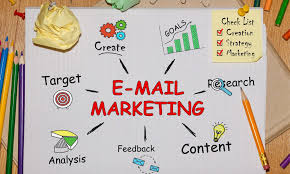
Effective email marketing is not about sending mass emails to random lists. It’s about understanding your audience, delivering relevant content, and maintaining consistent communication. Professional email campaigns focus on list hygiene, audience segmentation, compelling subject lines, engaging design, and strong calls to action. TinyBull combines all these elements to deliver top email marketing services that align with your business goals.

The Power of Targeted Email Campaigns

One of the biggest advantages of working with TinyBull is its expertise in targeted email marketing services. Targeted campaigns ensure that the right message reaches the right person at the right time. Whether it’s onboarding new customers, re-engaging inactive users, or promoting exclusive offers, targeted emails significantly improve response rates and customer satisfaction. By analyzing user behavior and preferences,TinyBull creates data-driven campaigns that feel personal and relevant.

How TinyBull Delivers Top Email Marketing Services

TinyBull follows a structured and result-oriented approach to email marketing. The process begins with understanding your brand, audience, and objectives. From there, customized email strategies are developed, including content creation, template design, automation workflows, and performance tracking. Every campaign is optimized for deliverability, mobile responsiveness, and engagement. This attention to detail makes TinyBull a reliable choice for businesses seeking top email marketing services.

Benefits of Choosing TinyBull

Partnering with TinyBull offers several advantages. Businesses gain access to experienced marketers, advanced tools, and proven strategies. The focus on targeted email marketing services ensures minimal spam complaints and maximum ROI. Clients also benefit from transparent reporting, continuous optimization, and compliance with email marketing best practices. Whether you are a startup or an established enterprise, TinyBull scales its services to meet your needs.

Email Marketing for Long-Term Growth

Email marketing is not a one-time activity; it’s a long-term investment in customer relationships. With consistent value-driven communication, businesses can nurture leads, boost repeat purchases, and strengthen brand authority. By choosing TinyBull and its top email marketing services, brands can stay connected with their audience while achieving sustainable growth.

In a competitive digital landscape, businesses need smart, data-driven communication strategies. Email marketing remains one of the most cost-effective and impactful tools when executed correctly. With a strong focus on personalization, automation, and performance, TinyBull delivers top email marketing services and targeted email marketing services that help businesses stand out, engage customers, and drive measurable results.