Short Form Video Marketing: Why It Dominates Social Media

Short Form Video Marketing: Why It Dominates Social Media

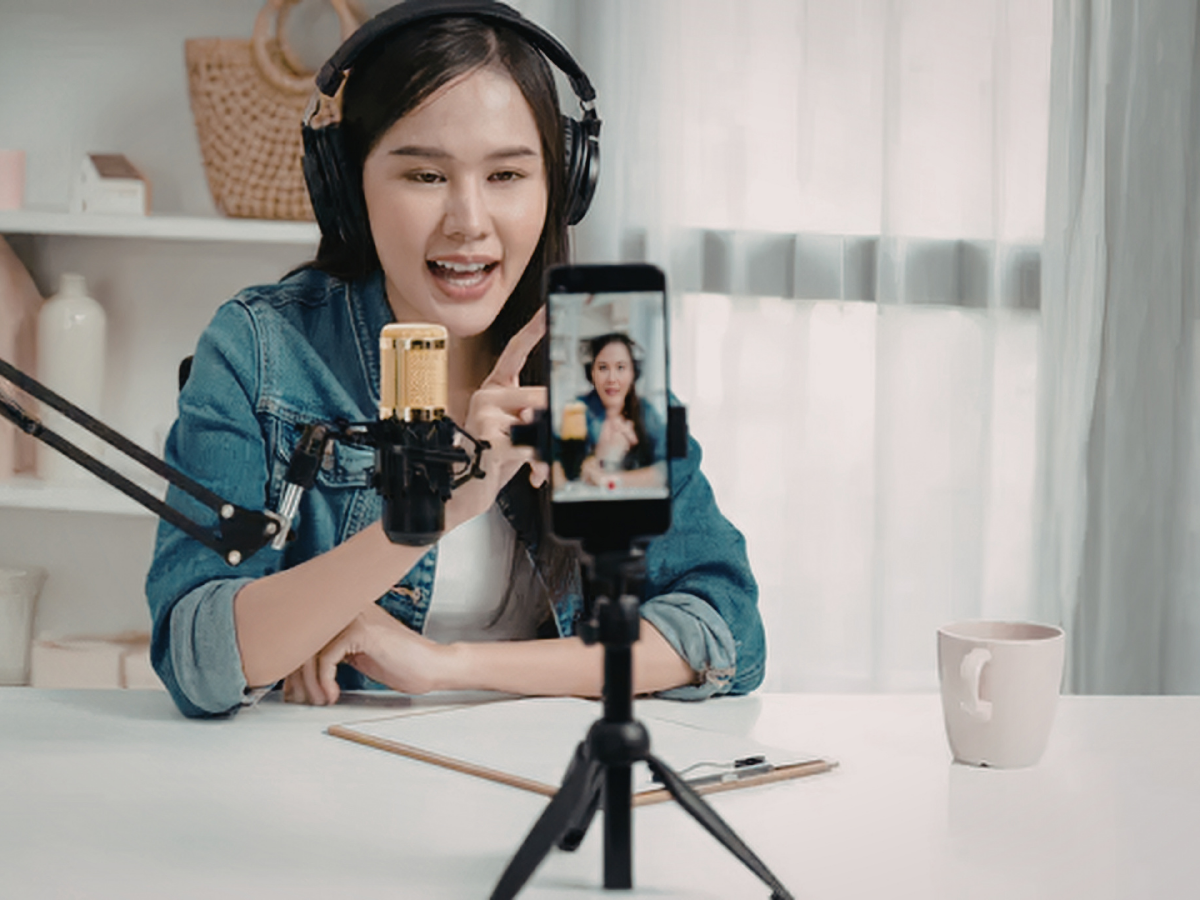
Short form video marketing has become one of the strongest ways for businesses to earn attention on social media. From Instagram Reels and TikTok to YouTube Shorts and Facebook Reels, short videos are now a major part of how people discover brands, learn about services, and decide which businesses feel worth contacting.

For small and medium-sized businesses, this shift matters. Social media is crowded, attention moves quickly, and customers often form opinions long before they visit a website or make a phone call. A short video can introduce your team, explain a service, show your work, answer a customer question, or make your business feel more familiar in less than a minute.

That does not mean every business needs to become an entertainment channel. It means businesses need to understand how short video fits into a practical marketing strategy.

What Is Short Form Video Marketing?

Short form video marketing is the use of brief videos to promote a business, educate an audience, build trust, or increase visibility across digital platforms. These videos are usually under 60 seconds, although the exact length can vary by platform.

Common examples include Instagram Reels, TikTok videos, YouTube Shorts, Facebook Reels, and short clips used in paid social advertising. The format works because it meets people where they already spend time and delivers information quickly.

For a local business, short video might mean a 20-second before-and-after project clip, a quick explanation of a common customer question, a behind-the-scenes look at your team, or a service spotlight that shows what makes your company different.

The best short videos usually feel useful, clear, and specific. They do not need to feel overly produced. They do need to give people a reason to stop scrolling.

Why Short Form Video Marketing Dominates Social Media

Short form video marketing dominates social media because it fits the way people consume content now. Users want quick answers, visual proof, personality, and useful information without having to dig for it.

Social platforms have also built their algorithms around video discovery. Reels, Shorts, and TikTok videos can reach people who do not already follow your business, which gives small businesses an opportunity to get in front of new audiences without relying only on existing followers.

Recent marketing research continues to show why businesses are investing in the format. HubSpot’s 2026 marketing statistics report lists short-form video as one of the top ROI-driving content formats, while Sprout Social reports that social video remains one of the most popular video marketing types in 2026 (HubSpot, Sprout Social).

For business owners, the important point is not just that short video is popular. The real value is that short video can turn everyday business knowledge into content that customers actually want to watch.

Short Video Helps Businesses Build Trust Faster

Trust is one of the biggest reasons short form video works for local businesses. A static post can tell people what you do, but video can show how you work, who is involved, and what the customer experience looks like.

A contractor can show the difference between a quick patch and a proper repair. A salon can show the process behind a finished look. A restaurant can show prep, plating, or the atmosphere inside the dining room. A professional service company can answer a common question in a way that makes the team feel knowledgeable and approachable.

These small moments help customers feel more comfortable before they reach out. That familiarity can matter just as much as the information itself.

For businesses in Lynchburg and across Central Virginia, this is especially important. Local customers often want to know that a business is active, credible, and part of the community. Short video gives companies a way to show that consistently.

Short Form Video Supports More Than Social Media

One of the biggest advantages of short video is that it can support multiple parts of a digital marketing strategy.

A single video can become an Instagram Reel, a Facebook Reel, a TikTok post, a YouTube Short, a website embed, an email feature, or part of a paid ad campaign. The same concept can also inspire blog content, FAQ answers, service page updates, and future social posts.

This is why short video should not be treated as a random trend. It works best when it connects to the larger marketing system.

For example, if customers frequently ask how much a service costs, a short video answering that question can support social media engagement while also reinforcing a broader content strategy. If a company is trying to rank locally for a specific service, videos that explain that service can strengthen brand visibility across several channels.

At TinyBull Marketing, social media strategy often connects with SEO, reputation management, website content, and video production. When those pieces work together, businesses create more opportunities for customers to find them and trust them.

What Makes a Good Short Form Video?

A good short video usually starts with a clear purpose. Before filming, the business should know what the viewer is supposed to learn, feel, or do after watching.

Some videos are designed to educate. Others are meant to show proof of work, introduce a team member, promote a seasonal service, or highlight a customer experience. The best videos do not try to do everything at once.

Strong short-form videos often include a clear opening, simple visuals, readable on-screen text, and a direct takeaway. The pacing should feel natural, but not slow. The message should be specific enough that someone understands why it matters.

For small businesses, useful video ideas often come from everyday operations. Customer questions, project photos, product demonstrations, team moments, common mistakes, quick tips, and service explanations can all become strong short-form content.

The challenge is consistency. One good video can help, but a steady rhythm of content builds recognition over time.

How Small Businesses Can Use Short Video Strategically

Short video works best when it is planned around business goals rather than posted at random. A business that wants more service calls may need educational videos that explain common problems. A retail shop may need product videos and seasonal content. A professional service firm may benefit from expert commentary, client questions, and credibility-building posts.

Platform choice also matters. Instagram and Facebook Reels can help businesses stay visible with local audiences. TikTok can support broader discovery when the content has a strong hook or educational angle. YouTube Shorts can be useful because video content may continue gaining visibility over time through search and recommendations.

Businesses do not need to master every platform at once. A practical strategy may begin with one or two channels, then expand once the team has a reliable process for planning, filming, editing, and posting.

That is where support from an experienced marketing partner can make a difference. TinyBull helps businesses build content strategies that match their audience, brand voice, and growth goals. From social media planning to professional video production, the goal is to create content that looks good, feels authentic, and supports the larger marketing picture.

You can learn more about TinyBull’s approach to social content through our social media marketing services, explore video-related insights in the video production resources, or compare available social media management plans to find the level of support that fits your business.

Frequently Asked Questions

What is short form video marketing?

Short form video marketing uses brief videos, usually under 60 seconds, to promote a business, educate customers, build brand awareness, or increase engagement on platforms like Instagram, TikTok, YouTube Shorts, and Facebook.

Why is short form video so effective?

Short videos work well because they are easy to watch, quick to understand, and favored by many social media platforms. They also help businesses show personality, expertise, and visual proof in a format people already enjoy consuming.

Do small businesses need professional video production?

Not every short video needs full professional production, but strategy and quality still matter. A mix of polished videos, authentic behind-the-scenes clips, and educational content can help small businesses stay consistent while building trust.

Which platforms are best for short form video marketing?

Instagram Reels, TikTok, YouTube Shorts, and Facebook Reels are all strong options. The best platform depends on the business, audience, content style, and marketing goals.


Best Social Media Platforms for Local Businesses in 2026

Best Social Media Platforms for Local Businesses in 2026

Choosing the best social media platforms for local businesses in 2026 is less about chasing the newest app and more about understanding where your customers are paying attention, asking questions, and making buying decisions.

For many small businesses, social media is one of the most visible parts of their marketing. It is where potential customers see your work, read your updates, watch your videos, check your credibility, and decide whether your business feels trustworthy enough to contact.

The challenge is that not every platform serves the same purpose. Facebook, Instagram, TikTok, LinkedIn, and YouTube can all support business growth, but they do it in different ways. A local HVAC company, boutique, restaurant, law firm, and B2B service provider should not all use the exact same social media strategy.

For local businesses in Lynchburg and throughout Central Virginia, the smartest approach is usually not to post everywhere equally. It is to choose the platforms that match your audience, your content style, and your business goals.

Why Platform Choice Matters for Local Businesses

Social media can look simple from the outside. Post a few updates, add some photos, share a promotion, and hope people respond. In reality, effective social media marketing for small businesses requires more strategy than that.

Each platform has its own audience expectations. Facebook users often look for community updates, recommendations, events, and local business information. Instagram users respond well to visual storytelling and brand personality. TikTok favors quick, useful, entertaining, or highly specific content. LinkedIn supports professional credibility, recruiting, and B2B relationships. YouTube gives businesses a place to build deeper trust through video content that can keep working long after it is posted.

Recent social media trend reports continue to show the importance of video, authenticity, community, and platform-specific content. Sprout Social’s 2026 social media trends report highlights the continued strength of video and audience-focused content, while HubSpot’s 2026 marketing statistics report notes that short-form video remains one of the most widely used formats among marketers (Sprout Social, HubSpot).

The takeaway for local businesses is simple: the platform matters, but the strategy behind the platform matters more.

Best Social Media Platforms for Local Businesses in 2026

The best social media platforms for local businesses are usually the ones that help customers build trust before they ever pick up the phone. For most local businesses, that means choosing a mix of community visibility, visual credibility, and search-friendly video content.

Facebook remains one of the most useful platforms for local businesses because it still plays a major role in community discovery. People use Facebook to ask for recommendations, follow local events, check business pages, and engage with companies they already know. For service businesses, restaurants, local retailers, nonprofits, and community-focused brands, Facebook can still support visibility and customer relationships.

Instagram is especially useful for businesses that benefit from strong visuals. Restaurants, salons, boutiques, fitness studios, home service companies, real estate professionals, and creative brands can use Instagram to show their work in a way that feels immediate and polished. Reels, Stories, carousels, and behind-the-scenes content can help a local business feel active and approachable.

TikTok can be powerful when a business has the ability to educate, entertain, or show personality. It is not the right fit for every company, but it can work well for businesses that can explain common customer questions, demonstrate services, show before-and-after results, or create helpful short videos. The platform rewards content that feels specific and human, which can actually give small businesses an advantage over brands that feel overly scripted.

LinkedIn is often overlooked by local businesses, but it can be valuable for professional services, B2B companies, consultants, contractors, manufacturers, recruiting efforts, and leadership-driven brands. A local company does not need to go viral on LinkedIn to benefit from it. Consistent posts that highlight expertise, company culture, projects, hiring, partnerships, and community involvement can strengthen credibility.

YouTube, including YouTube Shorts, is becoming harder to ignore. Short-form videos can help with discovery, while longer videos can answer customer questions in depth. A business that creates useful videos about its services can use that content across multiple channels, including social media, website pages, email campaigns, and blog posts.

Facebook for Local Community Reach

Facebook is still one of the most practical platforms for local businesses because it connects naturally with community behavior. Customers often use it to check business hours, browse recent updates, ask neighbors for referrals, or see whether a company appears active.

For local businesses, Facebook works best when the content feels connected to the community. Project photos, team updates, seasonal reminders, customer education, event posts, and service announcements can all perform well when they are relevant and timely.

The mistake many businesses make is treating Facebook like a bulletin board for promotions only. A stronger approach is to use it as a trust-building channel. Show that your business is active, responsive, and part of the local community.

Instagram for Visual Trust and Brand Personality

Instagram is a strong choice for businesses that can communicate value visually. A finished project, a clean workspace, a happy team, a product display, or a quick educational Reel can say a lot before someone reads a caption.

For small businesses, Instagram also helps humanize the brand. Customers want to know who they are hiring, visiting, or buying from. Consistent visuals, recognizable branding, and helpful captions make a business feel more familiar over time.

This is where professional social media management can make a major difference. A thoughtful content calendar keeps posts consistent while making sure each graphic, caption, and video supports the larger brand strategy. You can learn more about how TinyBull approaches this through its social media marketing services.

TikTok and YouTube Shorts for Discovery

Short-form video has changed how people discover businesses. A helpful 30-second video can introduce a brand to someone who was not actively searching for it yet. That discovery value is why TikTok, Instagram Reels, Facebook Reels, and YouTube Shorts all deserve attention in 2026.

For local businesses, the best short-form videos usually come from real customer questions. A pest control company might explain what attracts ants in the spring. A dentist might answer whether whitening hurts. A contractor might show what poor drainage looks like around a foundation. A marketing agency might explain why a business is not showing up in local search.

Good short-form content does not have to be overly polished. It does need to be clear, useful, and consistent with the brand.

LinkedIn for Professional Visibility

LinkedIn is especially helpful for businesses that sell to other businesses, recruit employees, or rely on professional credibility. It gives companies a place to share expertise without competing directly with entertainment-heavy content.

A local accounting firm, commercial contractor, staffing agency, consulting firm, or marketing company can use LinkedIn to build trust with decision-makers. Posts about company values, completed work, industry insights, employee milestones, and community involvement can help the business stay visible with the right audience.

LinkedIn may not generate the same type of engagement as Facebook or Instagram, but it can support reputation, recruiting, partnerships, and referral relationships.

How to Choose the Right Social Media Platforms

The right social media mix depends on your business model. A local restaurant may prioritize Facebook, Instagram, and short-form video. A professional service company may focus on LinkedIn, Facebook, and educational video. A home service business may benefit from Facebook, Instagram, YouTube Shorts, and Google Business Profile content working together.

The most important question is not “Which platform is popular?” It is “Where can we consistently show up in a way that helps customers trust us?”

That is why many businesses benefit from working with a marketing partner that understands both content creation and strategy. At TinyBull Marketing, social media is often connected with SEO, video production, reputation management, and broader brand visibility. The strongest results usually come when these channels work together instead of operating separately.

If your business is ready for a more consistent social media presence, TinyBull’s social media management plans make it easy to compare available options and choose the level of support that fits your goals.

Frequently Asked Questions

What are the best social media platforms for local businesses?

The best platforms depend on the business, but Facebook, Instagram, LinkedIn, TikTok, and YouTube are often the most useful options. Local businesses should choose platforms based on audience behavior, content style, and business goals.

Should a local business post on every social media platform?

Most local businesses do not need to post everywhere. It is usually better to maintain a strong, consistent presence on two or three platforms than to spread content too thin across every channel.

Is Facebook still useful for local businesses in 2026?

Yes. Facebook remains useful for local visibility, community engagement, recommendations, events, and business updates. It is especially valuable for businesses that serve a specific geographic area.

How often should local businesses post on social media?

Posting frequency depends on the platform and available content, but consistency matters more than volume. Many small businesses benefit from a steady weekly schedule that includes educational posts, service updates, visual content, and occasional promotions.

Social Media Lead Generation: How to Turn Followers Into Customers

Most small business owners know they should be on social media, but “being on social media” and actually generating leads from it are two very different things. Social media lead generation is the process of using your social platforms to attract potential customers, build trust, and move people toward a buying decision. Done right, it turns your follower count into something that actually matters to your bottom line.

The challenge is that a lot of businesses treat social media like a broadcast channel. They post about their products, toss up a promotional graphic every so often, and wonder why no one is reaching out. That approach misses what social media is really good at: building relationships at scale before a person ever picks up the phone or fills out a contact form.

What Social Media Lead Generation Actually Looks Like

Social media lead generation isn’t one single tactic. It’s a combination of content, targeting, and follow-up working together. Think of your social presence as the top of a funnel. Someone sees a post that addresses a problem they’re dealing with. They check out your profile, maybe follow you, then see a few more posts that reinforce that you know what you’re doing. Eventually, they click a link, sign up for something, or reach out directly. That’s the journey.

The businesses that do this well typically focus on a few things: creating content that speaks to real pain points, giving people a clear next step, and staying consistent enough that they stay top of mind. None of that is complicated, but it does require a deliberate strategy rather than random posting.

According to HubSpot’s marketing data, social media is one of the top channels for lead generation across industries, yet most small businesses underutilize it because they don’t have a clear system in place. That’s where the real opportunity sits, especially for local businesses competing against larger brands with bigger ad budgets.

Building a Social Media Lead Generation Strategy That Works

The first thing to get right is your content mix. Not every post should be a pitch, but every post should serve a purpose. Educational content, behind-the-scenes looks at your business, customer stories, and timely commentary on your industry all build credibility over time. When you earn that credibility, the ask becomes a lot easier.

Calls to action matter more than most businesses realize. Even a well-written post won’t convert if people don’t know what to do next. Whether it’s linking to a free resource, inviting someone to book a consultation, or just encouraging them to send a message with a question, you need to give your audience a path forward. That path should be easy and low-friction, especially for people who are just starting to consider their options.

Paid social advertising is where things can really accelerate. Organic reach on most platforms has declined significantly over the years, and running targeted ads alongside your organic content lets you reach people who don’t already follow you. For local businesses (in our case, those in Lynchburg and Central Virginia, for instance), geo-targeted ads on platforms like Facebook and Instagram can be surprisingly cost-effective compared to traditional advertising. You’re reaching people in your actual market, not paying for impressions from people who will never walk through your door or hire your service. Our social media marketing services are built around exactly this kind of integrated approach.

Turning Engagement Into Actual Leads

Engagement on its own doesn’t pay the bills. Comments and likes are signals that your content is resonating, but you need a mechanism to capture that interest and move it somewhere actionable. Lead magnets are one of the most reliable ways to do this. A free guide, a checklist, a limited-time offer, or even access to a webinar gives people a concrete reason to share their contact information. Once you have that, the conversation moves off social media and into your email list or CRM where you can nurture it properly.

Direct messaging is underrated. Many businesses ignore their DMs or treat them as a customer service inbox. In reality, a well-timed message to someone who just commented on your post or followed your account can open a genuine conversation. This works especially well for service businesses where the relationship matters. You’re not closing a deal over DM, but you’re starting the dialogue that eventually leads to one.

Social media automation tools can help manage this at scale without losing the personal feel. TinyBull’s Social Cloud platform gives businesses a way to schedule content, monitor engagement, and respond faster, without the chaos of managing everything manually across multiple platforms.

What Most Small Businesses Get Wrong

The biggest mistake is inconsistency. Posting heavily for a few weeks and then going quiet doesn’t build an audience, it resets your momentum. Social media rewards consistency over perfection. A business that posts three times a week for six months will outperform a business that posts daily for three weeks and then disappears.

The second mistake is ignoring the data. Every platform gives you insights into what content your audience responds to, when they’re most active, and where people are dropping off. That information should be shaping your strategy on an ongoing basis, not sitting unused in a dashboard somewhere.

Finally, a lot of small businesses treat every platform the same. The content and approach that works on LinkedIn is going to land differently than what you post on Instagram or Facebook. Each platform has its own culture and audience expectations, and your strategy should reflect that. If you’re unsure where to focus, start with one or two platforms where your target customers are most active and build from there. Our team at TinyBull Marketing helps businesses figure out exactly that.

Putting It Together

Social media lead generation works when it’s treated as a system rather than a series of one-off posts. The content you create builds awareness. The calls to action and lead magnets capture interest. The follow-up converts it. Each piece depends on the others, and a gap anywhere in that chain means lost opportunities.

For small businesses competing in local markets, this approach can level the playing field in a way that traditional advertising often can’t. You don’t need a massive budget to build a social media presence that generates real leads. You need a clear strategy, consistent execution, and a willingness to learn what works for your specific audience.

If you’re ready to stop guessing and start building a social media strategy that actually drives leads, TinyBull’s team is here to help you map it out.


Frequently Asked Questions

How long does it take to for social media lead generation to start working?

It varies depending on your starting point and strategy, but most businesses start seeing meaningful traction within 60 to 90 days of consistent, targeted effort. Paid social advertising can accelerate results significantly faster than organic content alone.

Which platform is best for social media lead generation?

It depends heavily on your industry and target audience. Facebook and Instagram tend to work well for local service businesses and consumer-facing brands. LinkedIn is stronger for B2B. The best platform is the one where your actual customers are spending their time.

Do I need a large following to generate leads on social media?

No. A small, engaged audience is worth far more than a large passive one. Many businesses generate consistent leads with a few hundred or few thousand followers by focusing on the right people rather than chasing vanity metrics.

Should I run ads or focus on organic content first?

Ideally both, but if you’re starting from scratch, getting your organic content and messaging dialed in first makes your ad spend more effective. Running ads to a profile with thin or inconsistent content is a common and costly mistake.

Digital Marketing Cost for Small Businesses: What Should You Expect to Pay?

If you own a small business, you have probably wondered what digital marketing is actually supposed to cost. Not what some national brand spends. Not what a giant franchise can throw around without blinking. What makes sense for a real business with real overhead, real goals, and a budget that has to justify itself.

The answer depends on what you need, how competitive your market is, and how fast you want to grow. The digital marketing cost for small businesses can vary quite a bit, but that does not mean pricing is random. There are clear reasons one company might spend a few hundred dollars a month while another invests several thousand.

For businesses—in Lynchburg, throughout Virginia, and nationwide—digital marketing is no longer something extra you get around to when things slow down. It is one of the main ways people find you, compare you, and decide whether to reach out. If your competitors are showing up in search, posting consistently, gathering reviews, and running a sharper online presence, standing still gets expensive fast.

The good news is that smart marketing does not have to mean throwing money into the void. It means understanding what drives digital marketing pricing, knowing which services matter most, and building a strategy that fits your business instead of copying someone else’s.

What Small Businesses Usually Spend on Digital Marketing

There is a wide range, but many small businesses spend anywhere from a few hundred dollars to several thousand per month depending on the level of support they need. A smaller small business marketing budget might go toward basic social posting, light website updates, and some help keeping the business visible online. A larger investment might include SEO, paid ads, blog content, video, reputation management, and monthly reporting.

The U.S. Small Business Administration has written about the common practice of setting marketing budgets as a percentage of revenue, which can be a useful benchmark. Still, percentages only tell part of the story. The bigger question is what it takes to generate visibility, leads, and momentum in your market.

A local service business trying to outrank several competitors in search is going to have different needs than a company that already has a strong referral network and an established online presence. A business that wants slow, steady maintenance will spend differently than one that wants to gain ground aggressively.

Why the Cost Varies So Much

When business owners compare marketing prices, they are often comparing completely different levels of work. One proposal may include a few social posts and a monthly check-in. Another may involve content creation, technical SEO work, review monitoring, strategy calls, graphics, video, and community management. Both are called marketing, but they are not the same animal.

Your Industry

Competition matters. If you are in home services, healthcare, legal, real estate, or another crowded space, expect marketing to require more muscle. It takes more effort to rank, more content to stay relevant, and more consistency to stand out. In those cases, the cost of SEO services can be higher because you are competing for searches that have real value attached to them.

Your Market

Location also affects cost. Some regions are saturated, while others leave more room to gain traction. Even in a market the size of Lynchburg, where we’re based, competition can get sharp when several businesses are all trying to appear for the same local searches and service keywords.

Your Starting Point

If your website is dated, your Google Business Profile is thin, your reviews are inconsistent, and your content has been gathering dust for months, there is usually some cleanup involved before growth work can really take off. Businesses that already have a healthy foundation often get more immediate value because they are building on something solid rather than trying to fix avoidable gaps first.

What Services Are Usually Worth Paying For?

Most businesses do not need everything at once, but they do need the right mix. Strong marketing works best when each piece supports the others rather than operating in little isolated corners.

Search Engine Optimization

Search engine optimization helps your business show up when people search for what you offer. That includes on-page improvements, content development, keyword targeting, technical cleanup, and local signals that help Google understand where and when to surface your business. For many companies, local SEO services are one of the best long-term investments because they put your business in front of people who are already looking.

Social Media Management

The social media marketing cost for a small business depends on how much content you need, how many platforms you are using, and how hands-on the strategy is. Some businesses only need a consistent baseline presence. Others benefit from a fuller strategy with stories, reels, graphics, scheduling, outreach, and performance reporting. TinyBull’s social media services and plan options are a good example of how pricing can scale depending on how much support and visibility a business wants.

Reputation Management

People look at reviews before they call. They look at them before they click. In some cases, they look at them before they even visit your website. That is why reputation management is not just a nice add-on. It protects trust, supports conversions, and helps make sure your online presence reflects the quality of the work you actually do.

Video Marketing

Video has become one of the most effective ways to get attention online, especially when feeds are crowded and attention spans are short. For some businesses, strong visuals and short-form content can do a lot of heavy lifting. For others, polished brand videos or streaming ads can help elevate perception and drive more serious interest. Video marketing services can be a smart investment when you want more than a static presence.

Cheap Marketing vs. Effective Marketing

One of the easiest traps for a small business to fall into is shopping for marketing the same way you might shop for office supplies. Lowest number wins. That usually backfires.

Cheap marketing often looks busy without producing much. A few generic posts. A blog no one reads. Some vague promises about exposure. Maybe an ad campaign with no real strategy behind it. On paper, the price is attractive. In practice, it can cost more in missed opportunity than it saves upfront.

Effective marketing is not about maxing out your budget. It is about matching your investment to the level of growth you want. If you only want to keep your business page warm, that costs one thing. If you want better rankings, stronger visibility, more leads, and a sharper brand presence, that usually requires a more intentional plan.

What Should Your Business Expect?

If you are trying to figure out the right digital marketing cost for small businesses, start with your goals. Do you want more traffic? Better local visibility? More reviews? Better social consistency? More qualified leads? A stronger website? The clearer your goals are, the easier it is to build a strategy that makes financial sense.

Some businesses do well starting with SEO and social media, then layering in additional services once momentum builds. Others need a more complete strategy right away because they are entering a crowded market or trying to grow quickly. There is no single perfect number. There is only the level of investment required to support the results you want.

The best marketing plans do not just make noise. They build traction. They help customers find you, trust you, remember you, and choose you over the other options in front of them.

Why This Matters More Than Ever

Small businesses are not just competing with the shop down the street anymore. They are competing with whoever appears first in search, whoever looks the most credible online, and whoever stays visible long enough to be remembered. That is why good marketing has become such a powerful equalizer. It gives smaller brands a real shot at standing out, even in crowded spaces.

Done well, marketing is not just another monthly expense. It is infrastructure for growth.

Frequently Asked Questions

How much should a small business spend on digital marketing?

That depends on the business, the market, and the goals involved. Some businesses only need a modest monthly investment to maintain visibility, while others need a more developed strategy to compete effectively and generate leads.

Is digital marketing worth it for small businesses?

Yes, provided it is tied to a clear strategy. Good digital marketing helps businesses get found online, build trust with potential customers, and create more consistent opportunities for growth.

What is the most cost-effective digital marketing strategy?

For many local businesses, SEO and local SEO provide strong long-term value because they help your business appear when customers are already searching for your services. Social media and reputation management also play an important supporting role.

Get Results on Social: TinyBull Data-Driven Digital Marketing Approach

In a world saturated with content, simply being active on social platforms isn’t enough. Success now hinges on making smarter, data-backed decisions that deliver measurable impact. That’s why TinyBull takes a fully data-driven digital marketing approach to social media- helping brands not just show up, but stand out and get real results.

Let’s have Look into Data-driven digital marketing approach

With countless businesses competing for attention online, your Social media digital marketing strategy must go beyond likes and shares. It needs to drive conversions, build loyalty, and support long-term growth. That’s where TinyBull leads the charge.

Why Data Is the New Driver of Social Success

Every scroll, like, comment, and click tells a story. At TinyBull, we turn that story into strategy. Our data-driven digital marketing approach helps brands understand:

  • Who their ideal audience is
  • What type of content they engage with
  • How to continuously optimize for better ROI

TinyBull’s Proven Process for Social Media Success

Here’s how our data-driven digital marketing approach delivers powerful results:

1. Deep Audience Analysis

We use advanced tools to uncover demographics, behaviors, and content preferences, ensuring every message is tailored to your target audience.

2. Smart Content Strategy

Every post, reel, and story is designed using real-time insights—driving higher engagement, reach, and conversions. TinyBull creates content that speaks your audience’s language.

3. Precision Ad Targeting

Our team runs targeted ad campaigns across platforms like Facebook, Instagram, LinkedIn, and TikTok—based on behavior, interests, and performance history.

4. Performance Monitoring & Reporting

TinyBull doesn’t just launch campaigns—we track them daily. From click-through rates to cost-per-lead, every metric is measured, analyzed, and optimized.

5. Agile Strategy Adjustments

We tweak and improve your strategy to stay ahead of trends and competitors.

What Makes TinyBull Different?

While many agencies focus on surface-level metrics, TinyBull is committed to driving real business outcomes through its Social media digital marketing strategy That means:

  • More qualified leads
  • Better customer engagement
  • Higher return on ad spend
  • Scalable long-term growth

We don’t guess. We track, test, and optimize—so you see the results in your bottom line.

Today, growth on social media requires more than creativity—it requires strategy, structure, and solid data. TinyBull Social media digital marketing strategy ensures that every move you make online is backed by insight and designed for success.

Elevate Your Brand with TinyBull Social Media Marketing USA

In today’s digital landscape, businesses must leverage Social Media Marketing USA to stay ahead of the competition. With millions of potential customers scrolling through platforms like Facebook, Instagram, LinkedIn, and Twitter daily, having a strong online presence is crucial. At TinyBull, we specialize in crafting data-driven strategies that help businesses boost engagement, increase brand visibility, and drive conversions.

Why Choose TinyBull for Social Media Marketing USA?

1. Customized Strategies for Maximum Impact

Our experts at TinyBull design tailored campaigns that align with your brand’s voice and business goals. Whether you’re looking to increase followers, generate leads, or improve customer engagement, we have the right strategy for you.

2. Expertise Across All Social Media Platforms

From Facebook ads to TikTok influencer marketing, TinyBull ensures your brand gets the right exposure. Our team knows what works on different platforms and implements the latest trends to keep your brand ahead of the curve.

3. Data-Driven Campaigns for Better Results

We don’t just create content; we analyze performance. Using advanced analytics tools, TinyBull continuously optimizes your Social Media Marketing USA strategy to maximize ROI and reach the right audience.

4. Engaging Content That Converts

Content is king, and at TinyBull, we create high-quality visuals, compelling copy, and interactive posts to keep your audience engaged. Our content strategies ensure that your brand stands out and drives real results.

Get Started with TinyBull Today!

If you’re ready to take your business to the next level, it’s time to invest in Social Media Marketing USA with TinyBull. Let us help you create a powerful online presence and grow your brand like never before.

Contact us today to get started!

Transform Your Brand with Tinybull Social Media Marketing Services

In today’s fast-paced digital world, social media plays a pivotal role in shaping a brand’s success. Whether you’re a startup looking to make your mark or an established brand aiming to stay relevant, leveraging the power of social media can skyrocket your brand’s visibility. That’s where Tinybull Social Media Marketing Services come into play.

Why Social Media Marketing Matters

Social media platforms like Facebook, Instagram, Twitter, and LinkedIn offer unparalleled opportunities for businesses to connect with their target audience. With millions of users active daily, the potential to increase brand awareness, drive traffic, and generate leads is limitless. However, to tap into this potential effectively, you need a tailored strategy—something Tinybull Social Media Marketing Services specialize in.

What Makes Tinybull Stand Out?

At Tinybull, we understand that every brand is unique, and so are its social media needs. Our team of experts takes the time to learn about your business, its goals, and its target audience to craft a personalized social media strategy. Here’s how we can transform your brand:

  1. Custom Content Creation Engaging, high-quality content is the backbone of any successful social media campaign. Whether it’s attention-grabbing posts, creative graphics, or video content, Tinybull Social Media Marketing Services create content that resonates with your audience and aligns with your brand’s voice.
  2. Audience Engagement Building a community around your brand is crucial for long-term success. Our team engages with your followers, responds to comments, and builds relationships that foster loyalty and trust.
  3. Analytics and Reporting We don’t just post content and hope for the best. At Tinybull, we analyze performance metrics regularly to track the success of campaigns and adjust strategies as needed to ensure you get the best results possible.
  4. Paid Advertising Campaigns Organic reach is important, but sometimes you need a little extra boost. Tinybull Social Media Marketing Services specialize in targeted paid advertising campaigns that help you reach a larger, more relevant audience quickly.
  5. Brand Reputation Management In today’s world, brand reputation is everything. Our services include monitoring social media platforms for mentions of your brand and addressing any issues or concerns, ensuring your brand maintains a positive image.

The Benefits of Choosing Tinybull

  • Increased Brand Visibility: Consistent and well-crafted social media campaigns ensure your brand remains in front of the right audience.
  • Higher Engagement Rates: Meaningful interactions with your followers create a loyal customer base.
  • Growth in Leads and Conversions: A strategic approach to content and advertising translates into more sales and customer acquisition.
  • Cost-Effective Solutions: Unlike traditional advertising, social media marketing offers a cost-effective way to reach a broad audience.

Ready to Transform Your Brand?

At Tinybull, we are passionate about helping businesses grow and thrive through effective social media strategies. Whether you’re looking to increase brand awareness, improve customer engagement, or drive more conversions, our Social Media Marketing Services are designed to deliver results.

Get in touch with us today and let’s start transforming your brand’s digital presence. With Tinybull, the sky’s the limit!

Elevate Your Brand in 2025 with Expert Social Media Marketing Services from TinyBull

Elevate Your Brand in 2025 with Expert Social Media Marketing Services

In today’s fast-paced digital landscape, standing out on social media is more challenging than ever. To make a lasting impression and connect with your audience, you need more than just basic posts and random updates. This is where TinyBull comes in. With our expert Social Media Marketing Services, we help businesses like yours create impactful, results-driven strategies that drive growth and engagement.

Why Social Media Marketing is Crucial in 2025

Social media platforms continue to evolve, introducing new features, algorithms, and trends that shape how brands connect with their audiences. In 2025, having a robust social media presence isn’t just an option—it’s a necessity. Effective Social Media Marketing Services can:

  • Increase brand awareness
  • Boost customer engagement
  • Drive website traffic and conversions
  • Enhance customer loyalty and trust

What Sets TinyBull Apart?

At TinyBull, we don’t believe in a one-size-fits-all approach. Our tailored Social Media Marketing Services are designed to meet the unique needs of your business. Here’s what makes us different:

  1. Customized Strategies: We take the time to understand your brand, goals, and audience to craft personalized marketing plans.
  2. Content Creation: From eye-catching graphics to compelling copy, our team creates content that resonates with your target audience.
  3. Data-Driven Results: We use advanced analytics to track performance and optimize campaigns for maximum ROI.
  4. Platform Expertise: Whether it’s Instagram, Facebook, LinkedIn, or TikTok, our team knows how to leverage each platform’s strengths.

Services Offered by TinyBull

Our comprehensive Social Media Marketing Services include:

  • Social media strategy development
  • Content creation and curation
  • Paid social advertising
  • Influencer partnerships
  • Community management
  • Analytics and reporting

Success Stories

Brands that have partnered with TinyBull have seen remarkable transformations. From skyrocketing follower counts to significant boosts in engagement and sales, our clients consistently achieve their marketing goals.

Ready to Elevate Your Brand?

Don’t let your competitors outshine you on social media. Partner with TinyBull and take advantage of our expert Social Media Marketing Services to elevate your brand in 2025 and beyond. Contact us today to get started!